If you land in Nairobi with one morning to spare, the David Sheldrick Elephant Orphanage is probably on your list. It should be. But most guides online tell you when the gate opens and stop there. They rarely tell you what the hour actually feels like on a busy Tuesday, or how the fee structure really works once you add the separate park charges. This David Sheldrick Elephant Orphanage guide covers both, plus a real day-plan built around Nairobi’s traffic and your hotel pickup point.
What is the David Sheldrick Elephant Orphanage
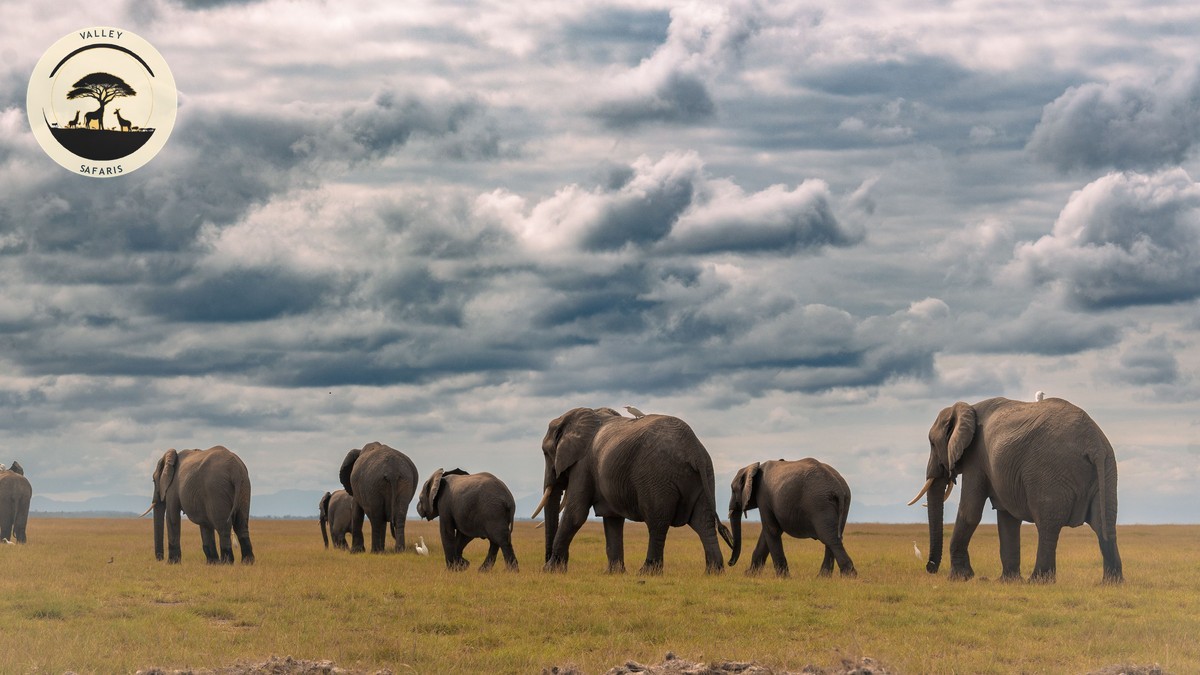
The David Sheldrick Wildlife Trust runs a nursery for orphaned elephant and rhino calves inside Nairobi National Park. Daphne Sheldrick founded the trust in 1977, building on decades of hand-rearing work she and her husband David started at Tsavo. Keepers bottle-feed the youngest calves every three hours, day and night, using a special milk formula Daphne spent years perfecting. Once a calf is old enough and strong enough, the trust moves it to a reintegration unit in Tsavo East, where it slowly returns to wild herds over several years.
David Sheldrick Elephant Orphanage Guide: Location and How to Get There
The nursery sits inside Nairobi National Park, reached through its own gate off Magadi Road, separate from the main KWS park entrance. From the Sarova Stanley or Nairobi Serena in the city centre, expect a 30 to 40 minute drive in normal traffic. From Villa Rosa Kempinski, closer to Westlands, budget closer to 40 to 50 minutes because you cross more of the city first. Nairobi traffic is unpredictable before 9am and after 4pm, so a 9:30am pickup gives you a comfortable buffer.
Visiting hours and the 11am to 12pm session
The public visiting hour runs from 11:00am to 12:00pm, every single day. This is the one slot open to anyone without an adoption membership. Keepers bring the youngest orphans out first, then the older calves, walking them past a roped viewing area while explaining each elephant’s rescue story. The whole session lasts about an hour, sometimes closer to 45 minutes once the last group of calves heads back to their stockades.
Entry fees and how to pay
Here is where most guides get vague. Below is what you should expect to pay at each stop if you combine the orphanage with a Nairobi National Park visit, plus the nearby Giraffe Centre for comparison.
| Site | Distance from Nairobi CBD | Drive time (normal traffic) | Entry fee (indicative) |
|---|---|---|---|
| David Sheldrick Wildlife Trust (Nairobi Nursery) | about 15 km | 30 to 45 minutes | around 500 KES per adult, 250 KES per child, cash only |
| Nairobi National Park (KWS main gate) | about 10 km | 20 to 30 minutes | around 52 USD non-resident adult, 26 USD non-resident child; lower for residents and citizens |
| Giraffe Centre, Karen | about 20 km | 40 to 55 minutes | around 1,500 KES adult, 750 KES child |
The orphanage entry and the Nairobi National Park gate fee are two separate charges collected by two separate organisations. Because the Sheldrick gate sits off Magadi Road, you can visit the nursery alone without paying the full KWS park fee. You only pay the park gate fee if you continue into Nairobi National Park itself for a game drive. Rates for Kenyan citizens and East African residents differ from non-resident rates, so check resident vs non-resident park fees before you budget your day. Bring cash. Card machines fail often enough that you should not rely on them, and paying with M-Pesa as a tourist is worth reading up on if you plan to carry a local SIM.
How to book your visit
You do not need a ticket in advance for the public hour. Just arrive before 11am, sign in at the gate, and pay in cash. Adoption parents get a separate, longer visiting slot in the afternoon, arranged directly with the trust once your adoption is confirmed. If you are combining the visit with other stops that day, book your transport in advance instead. Nairobi traffic punishes anyone who tries to wing it between attractions.
What to expect during the visit
Expect a crowd. The roped viewing line can hold several hundred people on a busy morning, so where you stand matters. Arrive by 10:30am and you get a spot near the front, close enough to watch a two-year-old elephant grab a keeper’s shirt with its trunk. Arrive at 10:55am and you may end up ten rows back, watching over other people’s phones. Keepers narrate each orphan’s rescue story as the calves drink from oversized bottles and roll in a mud wallow. It is genuinely moving, even from the back row.
The elephant adoption programme
For 50 USD a year, you can adopt an individual orphan. You get updates, photos, and access to a private evening visiting session where adoptive families can get closer to the elephants and watch them settle in for the night. Many Valley Safaris guests set up an adoption after their morning visit, once they have a favourite calf in mind. It is a small gesture that funds real veterinary care and anti-poaching patrols in Tsavo.
Best time to visit and when to arrive early
Arrive by 10:30am. This single piece of advice matters more than anything else in this guide. The elephants come out right at 11am regardless of how many people are waiting, and the calves stay farther from the rope on crowded days because keepers give them more space to move. A quiet Tuesday in June feels completely different from a packed Saturday in August. If your schedule allows it, weekday mornings tend to be calmer.
Combining the orphanage with Nairobi National Park
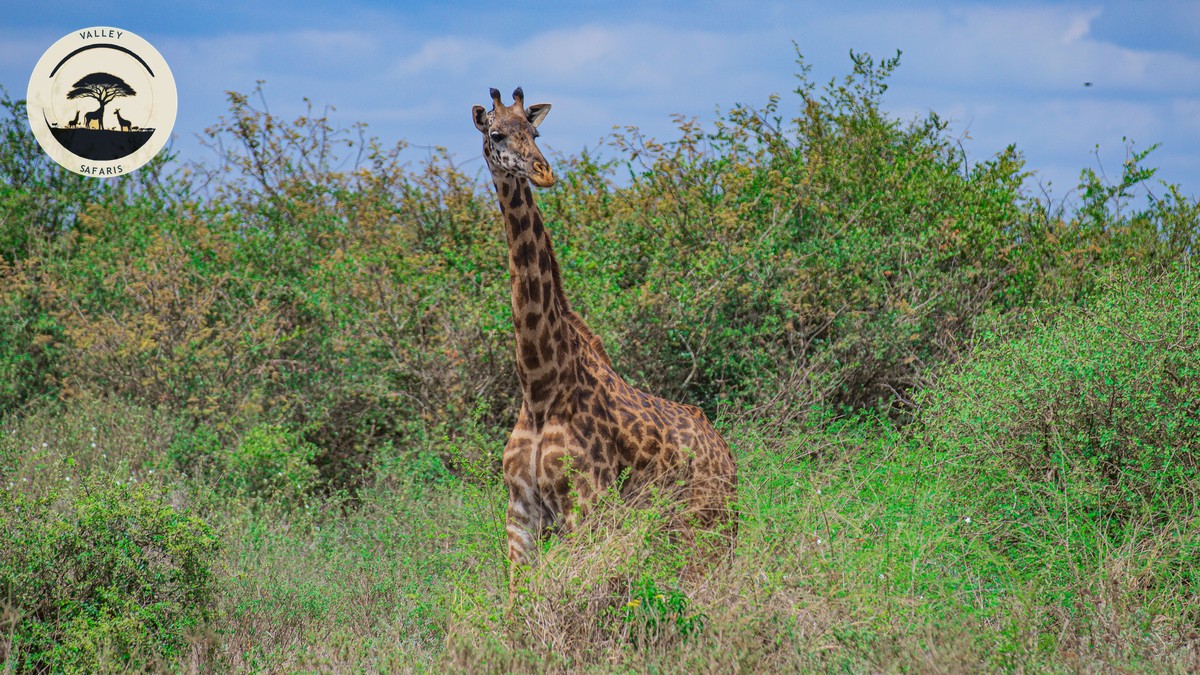
Because the two sites sit so close together, the smartest use of your morning is to pair it with a Nairobi National Park day trip. Do the elephant hour first, then head into the park gate for a two to three hour game drive before lunch. Nairobi National Park holds lions, rhinos, giraffes, and over 400 bird species, all within sight of the city skyline. Treating the orphanage as a standalone outing wastes the rest of a good morning. The Giraffe Centre in Karen also pairs well if you have a full day rather than just a morning.
Responsible visiting tips
Keep some ground rules in mind. Do not reach across the rope to touch a calf, even if a keeper is standing right there with one. Dress in neutral, closed shoes since you will be standing on dusty ground. Flash photography is discouraged around the younger orphans. Keep your voice down, since the calves are still adjusting to human contact after losing their mothers, often to poaching or drought. Follow the keepers’ instructions and you will have a respectful, worthwhile visit.
The Valley Safaris Difference
We have driven this route enough mornings to know exactly which gate gets crowded first and which hotel pickups need an extra ten minutes. Our guides time your Sheldrick visit around the 10:30am window, then move you straight into Nairobi National Park while the morning light is still good for photos. We handle the cash logistics, the gate fees, and the pacing, so you are not standing in a queue doing currency math while a keeper walks a baby elephant past you. That is the difference between a rushed stop on a checklist and a morning you actually remember.
Frequently asked questions
How much does it cost to visit? Expect around 500 KES per adult and 250 KES per child, cash only, separate from any Nairobi National Park fee.
What time does it open? The public session runs 11:00am to 12:00pm daily.
Do I need to book ahead? No, the public hour is walk-in. Adoption visits are arranged separately.
Can I touch the elephants? No. Viewing is from behind a rope line for the animals’ safety and yours.
Is it open every day? Yes, the public visiting hour runs 365 days a year.
Can I combine it with Nairobi National Park in one day? Yes, and it is the best way to spend the morning. See the section above.
Plan your visit with Valley Safaris
Ready to see the orphans for yourself? Talk to our team about building a morning around the Sheldrick visit and a Nairobi National Park game drive, timed around your hotel and your flight schedule. Visit our contact page to start planning.